
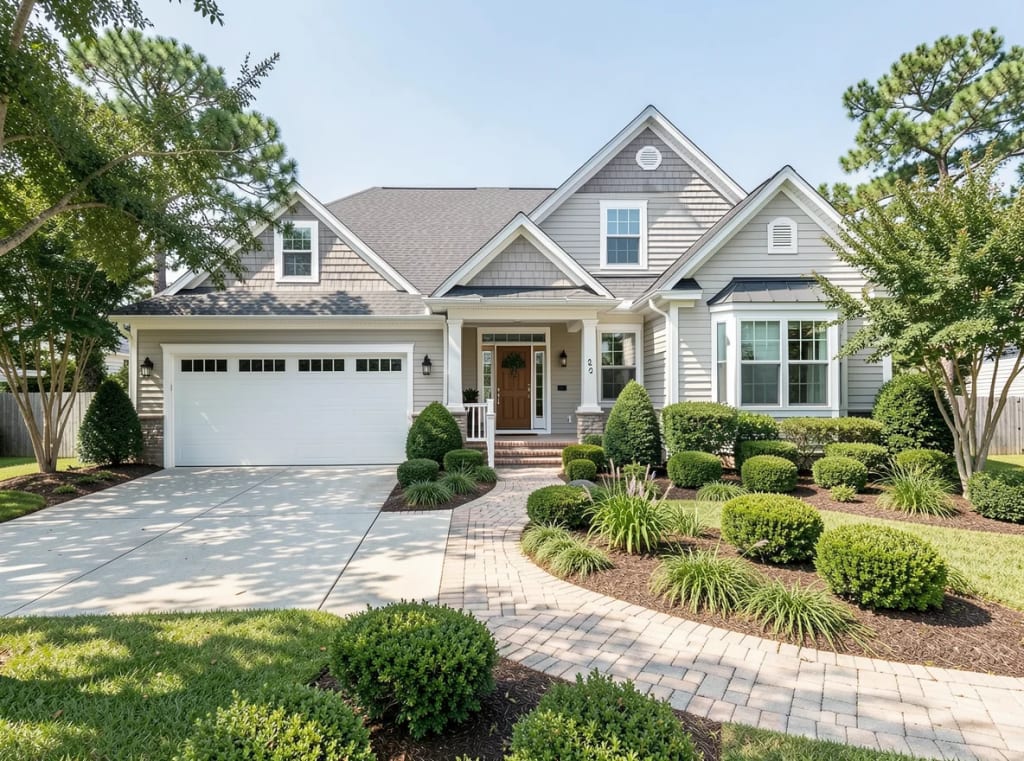
Starter Home or Rental in Hampton Roads: Which First Investment Builds More Value?
Starter Home or Rental in Hampton Roads: Which First Investment Builds More Value?
For many first-time investors, the real question is not whether real estate can build wealth, but which path creates momentum fastest. In Hampton Roads, that choice often comes down to buying a starter home to live in and grow into equity, or purchasing a rental property designed to produce income from day one. Both can work. The better option depends on your cash reserves, risk tolerance, timeline, and how hands-on you want your first investment to be.
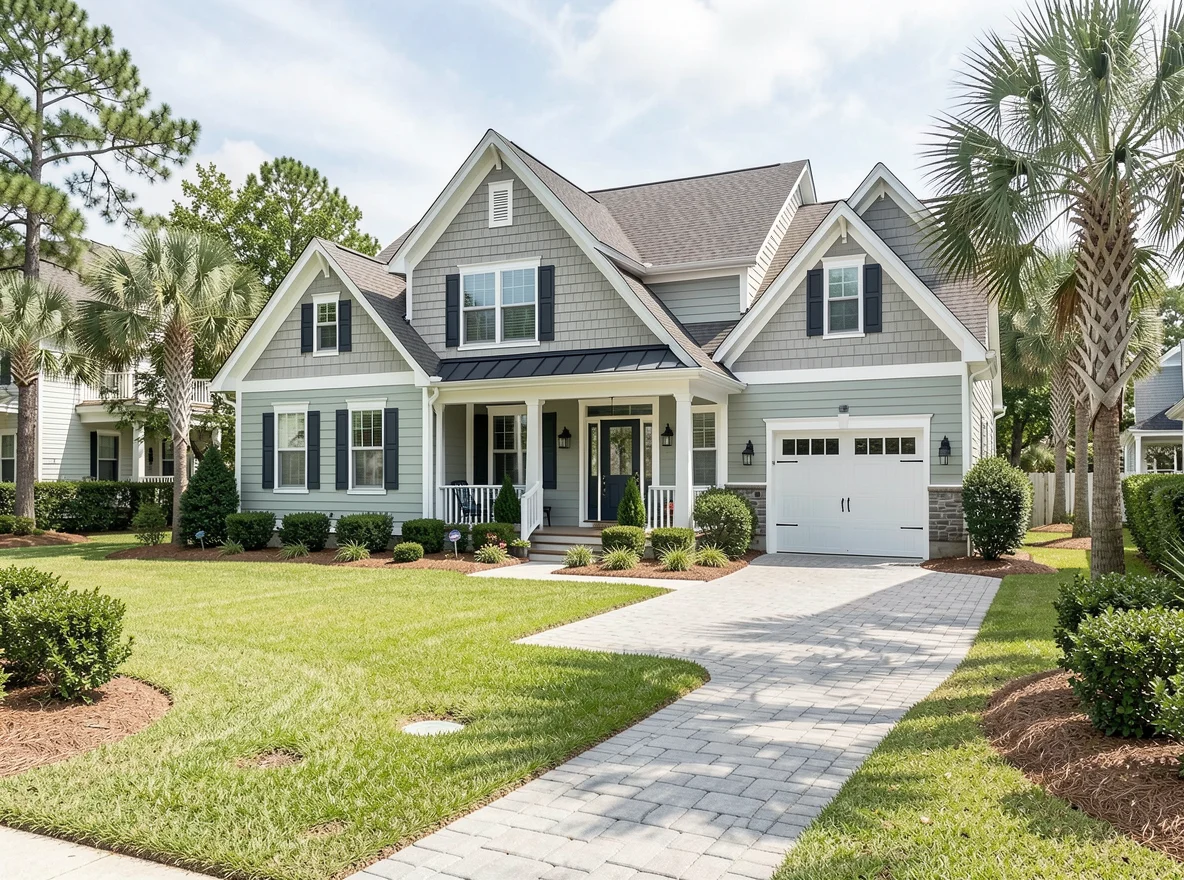
A starter home offers a deceptively powerful advantage: you can blend lifestyle and investment goals in one purchase. Owner-occupied financing is typically more favorable than investor financing, which means lower down payments, better interest rates, and easier qualification for many buyers. That matters in a region like Hampton Roads, where buyers may be comparing neighborhoods in Virginia Beach, Chesapeake, Norfolk, Suffolk, and Portsmouth while also trying to stay flexible for work, military relocation, or growing family needs. If you buy smart, live in the home for a few years, improve it gradually, and then sell or convert it into a rental, you may end up creating both equity and future income.
The emotional side counts too. A starter home gives you direct control over the asset you are improving. You are the one choosing paint colors, updating the kitchen, watching the yard mature, and learning the rhythms of the neighborhood. In an area known for military presence, varied commute patterns, waterfront access, and distinct community personalities, living in your investment can teach you the local market in a way spreadsheets never will. Families often appreciate access to parks, recreation, and established school zones, while young professionals may prioritize convenience to major employment hubs, hospitals, shipyards, or the interstate. That local understanding can shape your next, smarter purchase.
Still, a primary residence is not always the fastest wealth-building tool on paper. Because you live in it, your monthly housing costs continue, and your return depends heavily on appreciation, principal paydown, and the quality of any renovations you make. If the property needs more work than expected, or if you buy at the top of your comfortable budget, the home may feel more like a responsibility than a springboard. Value is built steadily, but often more slowly than first-time buyers imagine.
Why a Rental Property Can Accelerate the Numbers
A rental property speaks a different language: cash flow, leverage, vacancy risk, maintenance reserves, and long-term portfolio growth. If your primary goal is to treat real estate as a business from the beginning, a rental may create a clearer framework. Instead of asking whether you love the floor plan, you ask whether rents support expenses, whether the location attracts stable tenants, and whether the property has upside through updates or better management. That mindset can be incredibly valuable for anyone serious about investing in Hampton Roads.
The region has several qualities investors like: a broad employment base, consistent housing demand tied to military and civilian sectors, and a mix of property types at different price points. In some neighborhoods, smaller single-family homes, townhomes, or duplex-style opportunities can offer a more approachable entry point than many people expect. Rentals near employment centers, transportation routes, colleges, medical facilities, and major community amenities may attract a dependable tenant pool. When chosen carefully, a rental can build value through appreciation and through tenant-paid principal reduction.

But rentals ask more from you upfront. Investor loans usually require more money down, reserves matter, and repairs are no longer optional because a tenant depends on the home functioning properly. There is also the reality of management. Even a good tenant can bring turnover costs, maintenance calls, lease coordination, and unexpected vacancies. For some first-time investors, that pressure is exciting. For others, it becomes overwhelming fast. The best rental purchases are often made by buyers who have enough financial breathing room to handle surprises without panic.
Value, then, is not just about gross return. It is also about sustainability. If owning a rental stretches your finances so tightly that one vacancy throws everything off, the strategy may not actually be building wealth in a healthy way. By contrast, a starter home with manageable payments can free up savings, improve your personal balance sheet, and prepare you for a stronger second purchase later.
How Hampton Roads Lifestyle and Market Realities Shape the Decision
In Hampton Roads, local context matters more than generic advice. Some buyers want to put down roots near highly regarded schools, neighborhood parks, and everyday conveniences. Others value access to beaches, marinas, golf, or walkable community hubs. Some are thinking about resale appeal; others are thinking about tenant demand. A home that feels ideal for a young couple may also make sense later as a rental if it sits near major employers or transit corridors. That overlap is where strategy gets interesting.
Dining, recreation, and community identity also influence long-term value. Areas with strong local character, easy access to waterfront activities, and a steady pattern of residential demand often remain resilient because people genuinely want to live there. Buyers are not simply purchasing square footage; they are purchasing commute time, weekend options, school access, and a sense of belonging. In a diverse coastal region, those quality-of-life factors can support both resale strength and rental appeal.
That is why many successful first investments are not extreme choices. They are practical, well-located properties with broad appeal. Think clean floor plans, solid construction, reasonable maintenance needs, and neighborhoods with staying power. Whether owner-occupied or tenant-occupied, the homes that build value most reliably are often the ones that serve ordinary daily life exceptionally well.
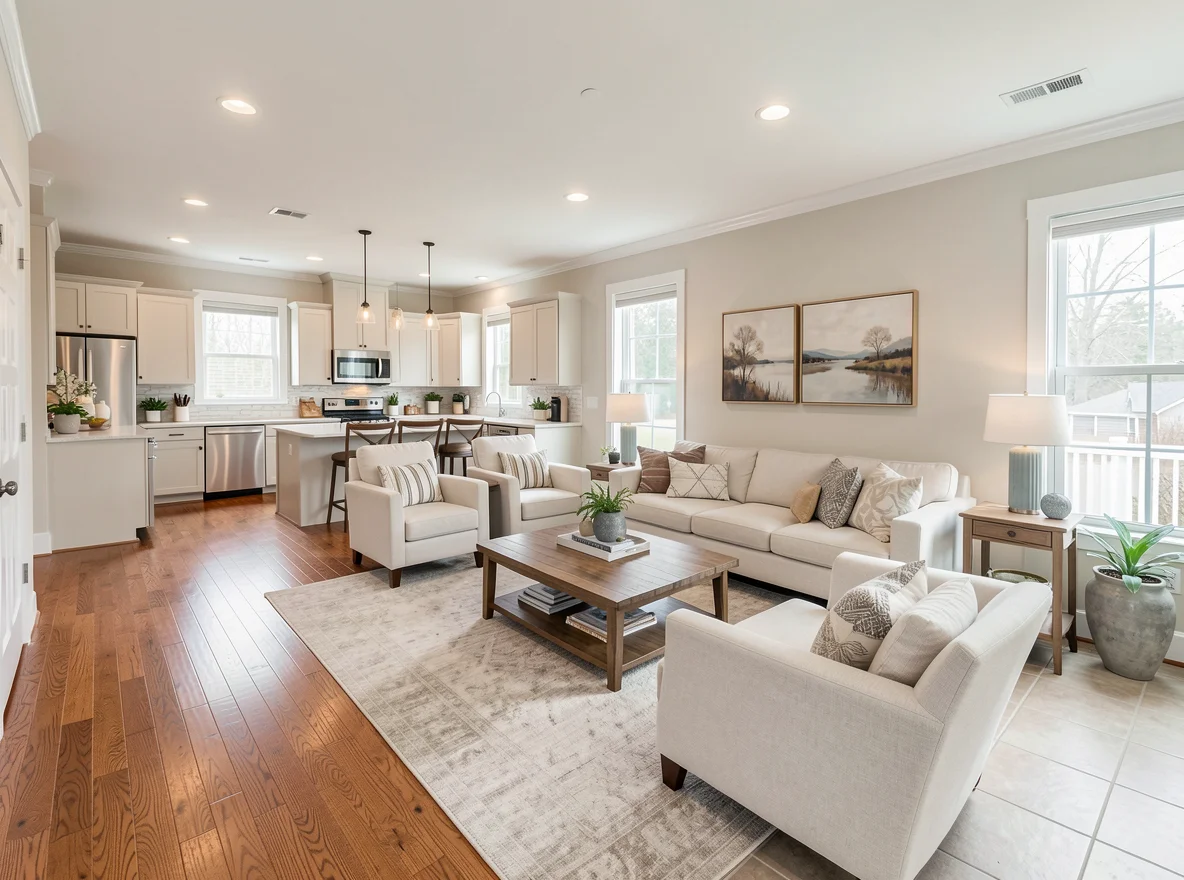
One especially smart middle-ground strategy is to buy a starter home with future rental potential. You live in it first, benefit from owner-occupied financing, learn the neighborhood, and make targeted improvements. Later, when your needs change, you can evaluate whether to sell and capture equity or keep the property as a rental. That approach can lower your initial barrier to entry while preserving investor flexibility down the road.
So Which First Investment Usually Wins?
If you want lower entry costs, a place to live, and a gentler introduction to building equity, a starter home often creates the best first-step value. If you have stronger reserves, a clear investment mindset, and comfort with property management, a rental may produce a more direct financial return. Neither is universally better. The stronger choice is the one you can hold confidently, improve intelligently, and match to your next three to five years.
That is where local guidance becomes essential. Hampton Roads is not a one-note market, and neighborhoods can behave very differently depending on price point, property type, school draw, military demand, and proximity to work or recreation. A knowledgeable local professional can help you compare the hidden strengths of each option instead of relying on broad national advice. With Abrams Realty and April Dickson’s lifelong knowledge of Hampton Roads, buyers and first-time investors can evaluate real opportunities through a practical local lens. The best first investment is not the flashiest one. It is the one that fits your life now and builds options for what comes next.