
Moving to Hampton Roads? 6 Local Tips for Settling In
6 Local Tips for Settling Into Coastal Life in Hampton Roads
Relocating to the south side of Hampton Roads can feel like stepping into three distinct worlds at once. Virginia Beach brings ocean energy and sprawling suburban neighborhoods, Chesapeake offers more room to breathe with a blend of established communities and newer growth, and Norfolk adds history, culture, and a more urban rhythm. For anyone planning a move, the real key is not just finding a house, but understanding how everyday life actually works across these connected cities.
If you are making the jump, a little local insight goes a long way. Traffic patterns, school zones, flood considerations, military influence, weekend recreation, and neighborhood personality all shape the experience of settling in here. With guidance from a professional who knows the region beyond the listing details, the transition becomes far less overwhelming and a lot more exciting.
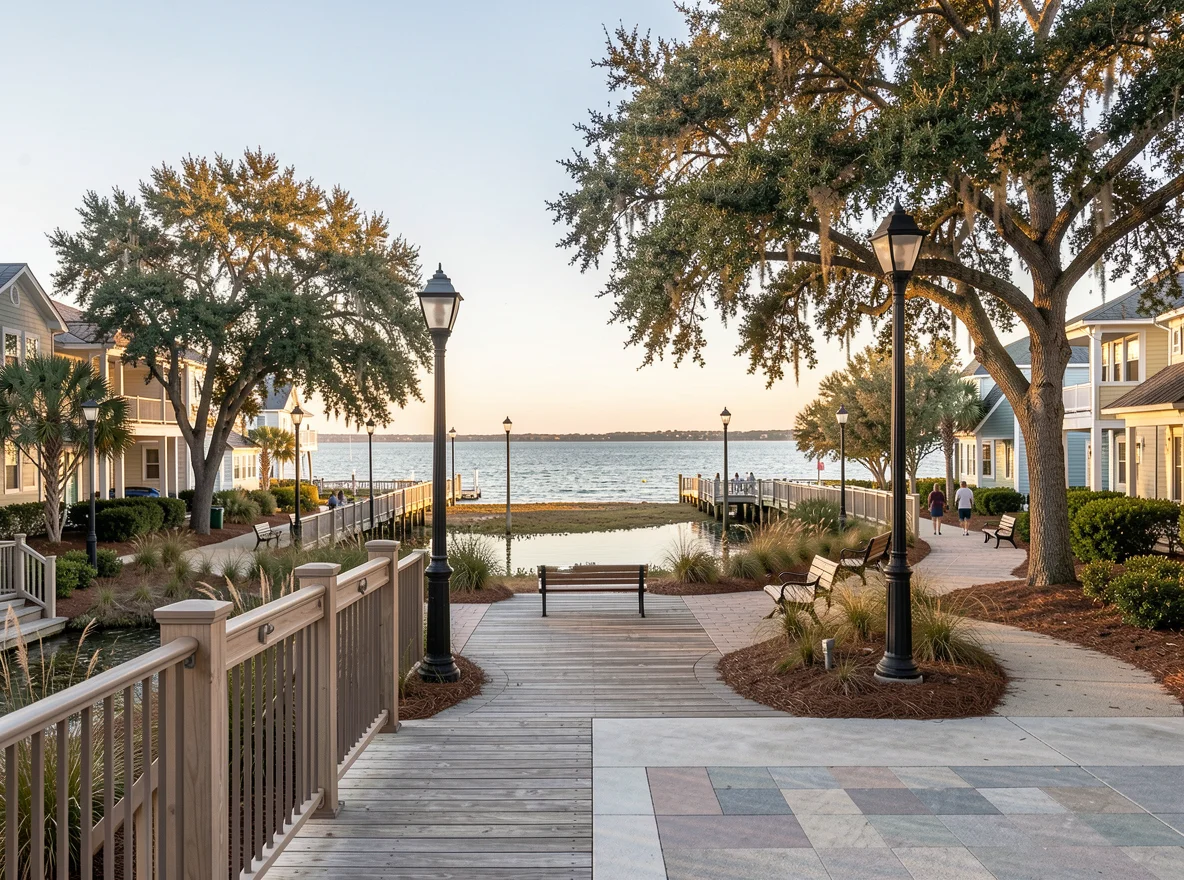
Tip one: think in terms of lifestyle first, commute second. On a map, Virginia Beach, Chesapeake, and Norfolk look close enough to treat as interchangeable. In practice, each has its own feel, pace, and daily patterns. A buyer who wants quick access to the shoreline, lively entertainment, and a broad range of neighborhoods may gravitate toward Virginia Beach. Someone craving larger lots, newer subdivisions, and a quieter residential setting may feel more at home in Chesapeake. Buyers who love classic architecture, walkable pockets, arts venues, and a more historic setting often connect with Norfolk.
Tip two: learn the bridges, tunnels, and major corridors early. This region is shaped by water, and that is part of its beauty, but it also means travel times can shift quickly. New residents are often surprised that a destination that seems nearby online may involve a bridge-tunnel backup, seasonal beach traffic, or a busy military commute window. Before you commit to a home, test the route to work, school, or frequent destinations during real-life hours. It is one of the smartest ways to make sure your beautiful new address also fits your routine.
Tip three: ask detailed questions about flood zones, insurance, and drainage. Coastal Virginia living has plenty of advantages, but it comes with practical considerations. Some neighborhoods are more affected by tidal flooding or heavy rain than others, and even within the same zip code, one block can differ from the next. Buyers should look beyond curb appeal and ask about elevation, flood insurance requirements, historical water issues, and any resilience improvements already made to the home. Local expertise matters here because generic advice is not enough.
Neighborhood Fit Matters More Than City Labels
One of the best things about Hampton Roads is its variety. In Virginia Beach, you can find everything from established inland neighborhoods with strong school appeal to resort-adjacent areas and quiet waterfront enclaves. Chesapeake often attracts buyers looking for newer homes, family-friendly planning, and convenient access to both suburban amenities and open space. Norfolk, meanwhile, offers a compelling mix of charming bungalows, historic homes, revitalized districts, and proximity to major employers and institutions.
That is why micro-location matters so much. Two neighborhoods within the same city can deliver totally different day-to-day experiences. One may feel tucked away and peaceful, while another offers easier access to parks, bases, medical centers, or cultural events. Working with someone who understands those subtle differences can save buyers from choosing a home that looks right on paper but feels wrong after move-in.
Families often want to know about schools, recreation, and nearby conveniences right away, and understandably so. Beyond public school zoning, it helps to explore youth sports, libraries, green spaces, and the type of community activity available nearby. Chesapeake and Virginia Beach, in particular, offer many neighborhoods where parks, trails, and daily errands are close at hand, while Norfolk can appeal to buyers who value museums, waterfront events, and a more connected city atmosphere.
Tip four: let local recreation help guide your choice. This region shines when you look at how people spend their free time. Virginia Beach naturally draws people who want easy access to sand, water, and a strong outdoor culture. Chesapeake offers boating areas, trails, and a more spread-out feel that many residents love. Norfolk brings harbor views, festivals, performing arts, collegiate energy, and a strong sense of place shaped by maritime history. If your weekends matter, and they should, then your home search should reflect them.
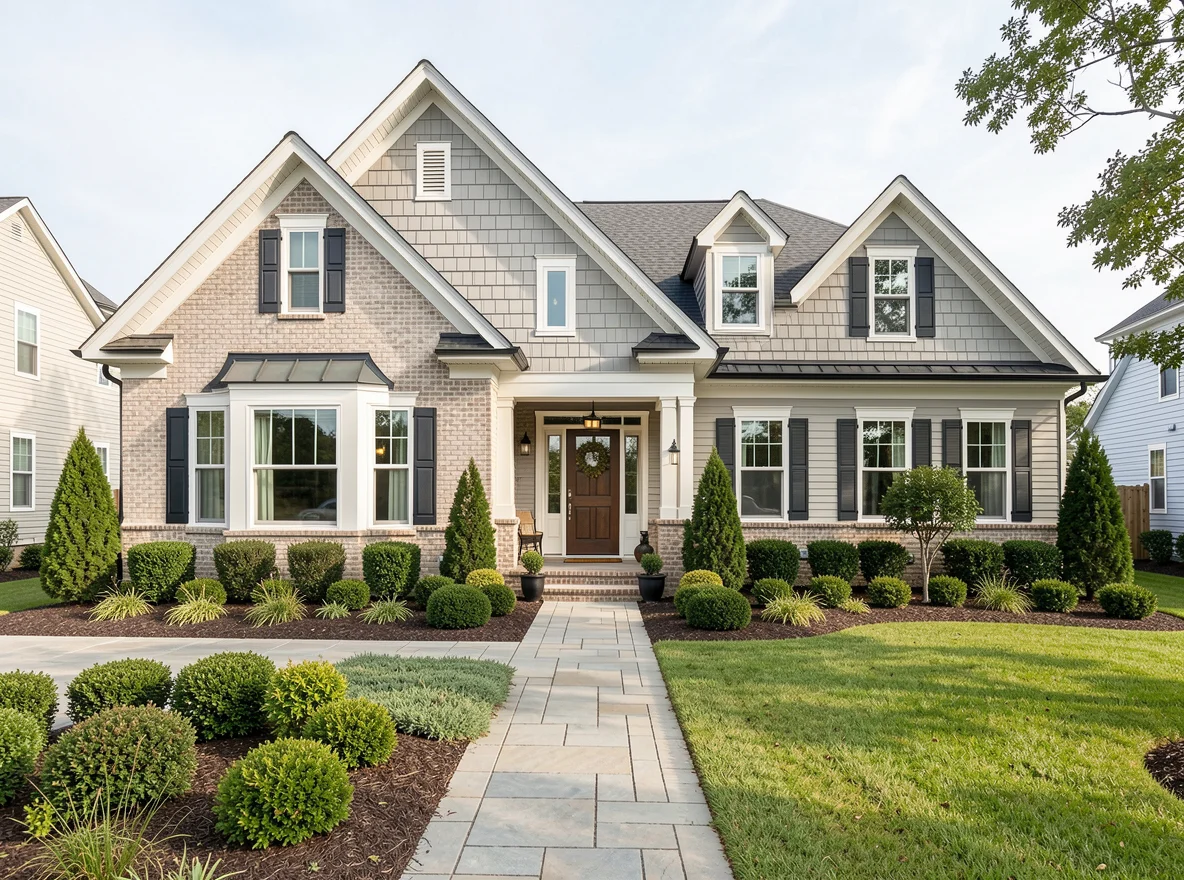
Tip five: pay attention to housing style and long-term value. Hampton Roads has a broad real estate mix, from ranch homes and brick colonials to waterfront properties, updated historic residences, townhomes, and newer construction. Investors often appreciate the region’s diverse housing stock and steady demand drivers, including military relocation, healthcare, education, and port-related industries. Buyers planning to stay for years may want to think about future resale through the lens of lot size, flood exposure, neighborhood reputation, and proximity to everyday amenities.
Tip six: work with someone who can translate the region, not just unlock doors. A home search here is smoother when your agent can explain why one corridor feels easier than another, which neighborhoods have stronger momentum, where investors tend to look, and what questions matter most in each city. That kind of guidance is especially valuable for military families, first-time buyers, and out-of-area movers trying to make decisions quickly but wisely.
Making the Transition Feel Personal, Not Stressful
Settling into a new area is about more than closing day. It is about finding your grocery route, your favorite waterfront walk, your easiest school drop-off, and the community rhythm that starts to make a place feel like home. In Hampton Roads, those details vary widely from one neighborhood to the next, which is exactly what makes the region so appealing. There is no one-size-fits-all answer, only the right fit for your goals.
Abrams Realty brings a strong service-focused approach to that process, and April Dickson’s lifelong knowledge of Hampton Roads helps clients move beyond surface impressions. Whether you are buying, selling, or investing, having a local advocate who understands Virginia Beach, Chesapeake, and Norfolk from lived experience can make every step more confident. For newcomers, that kind of insight is often the difference between simply moving and truly settling in well.