
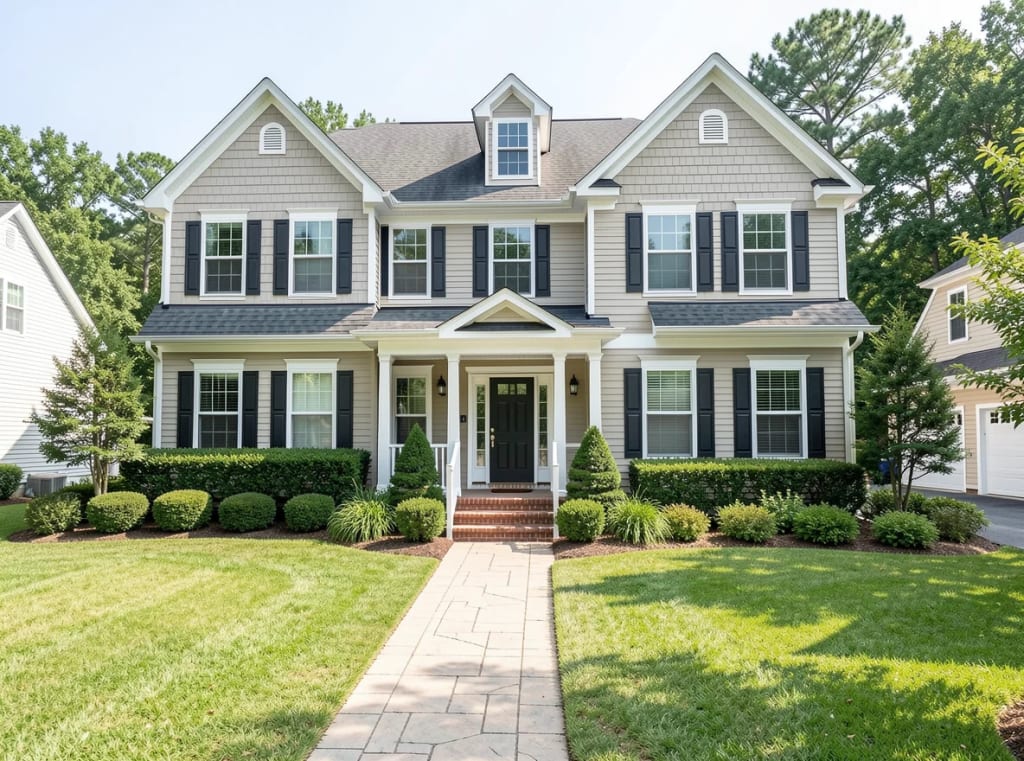
5 Seller Mistakes That Can Slow a Norfolk Home Sale
5 Seller Mistakes That Can Slow a Norfolk Home Sale
Selling a home in Norfolk can be exciting, but it can also become frustrating when the process drags longer than expected. In a market shaped by military moves, waterfront appeal, historic neighborhoods, and buyers comparing options across Hampton Roads, small missteps can have a big impact. The good news is that many of the delays sellers face are avoidable with the right preparation, pricing strategy, and local guidance.
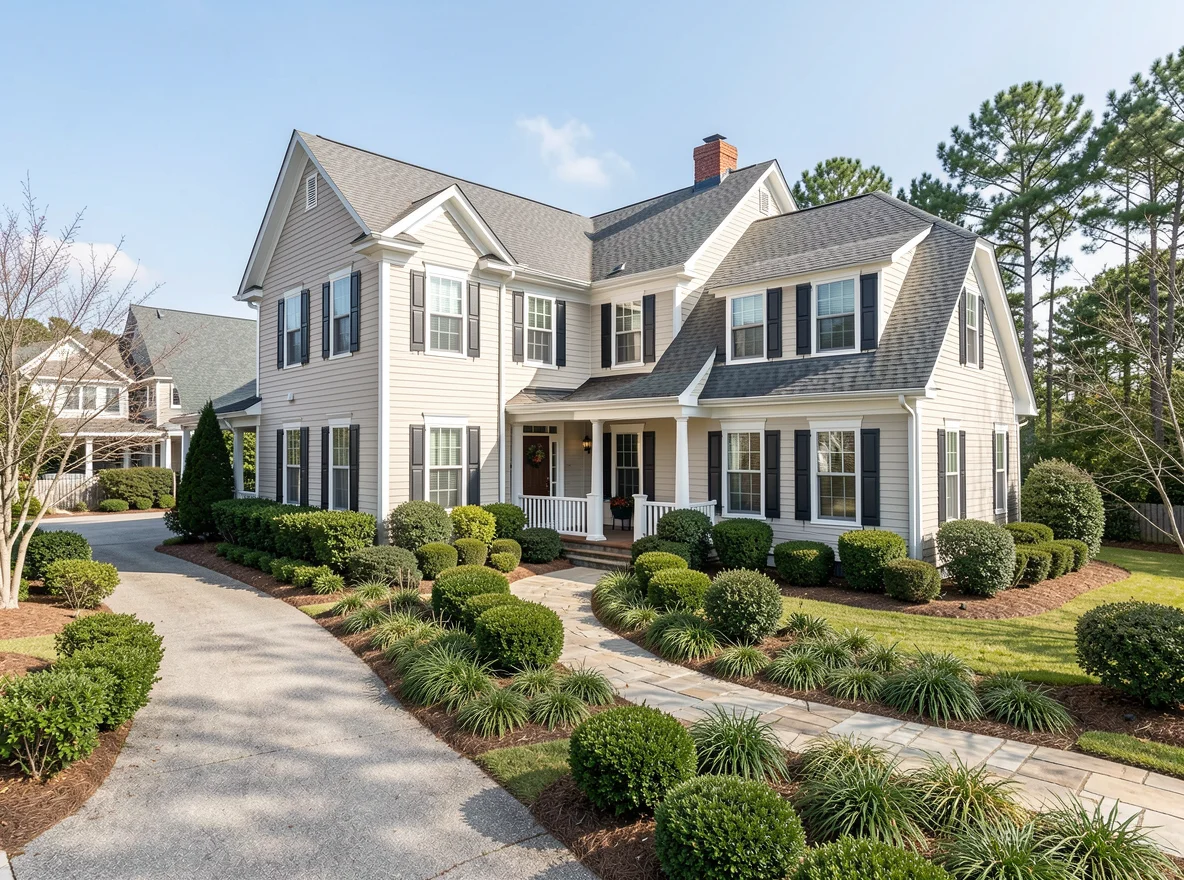
Mistake #1: Overpricing from the start. It is one of the most common reasons a listing loses momentum. Sellers often look at the highest sale in the neighborhood and assume their property should command the same number, but buyers today are quick to compare condition, updates, location, and value. If a home enters the market above what local demand supports, it may sit while newer listings capture attention. Once that happens, price reductions can feel reactive rather than strategic, and buyers may start wondering what is wrong with the property even when nothing is.
Mistake #2: Neglecting presentation. Norfolk buyers are often balancing commute concerns, school preferences, proximity to bases, and lifestyle goals near water or established neighborhoods. A cluttered living room, dated lighting, worn paint, or patchy landscaping can distract from the features that should be selling the home. First impressions matter online and in person. Clean spaces, simple staging, trimmed yards, and small repairs help buyers emotionally connect faster and picture an easy move instead of a to-do list.
Mistake #3: Using weak marketing. A home cannot sell efficiently if the right buyers never feel compelled to schedule a showing. Professional photography, compelling listing copy, and a smart digital strategy matter more than ever because most buyers begin online. In a city with such varied housing stock, from classic brick colonials to waterfront properties and newer townhomes, each listing needs marketing that highlights what makes it distinct. Generic descriptions and dark cellphone photos can make even a strong property feel forgettable.
Where Delays Often Begin
Another major issue is mistake #4: failing to prepare for inspections and negotiations. Some sellers assume they can wait until a buyer finds a problem, but deferred maintenance often slows a sale at exactly the wrong moment. Older roofs, HVAC concerns, moisture issues, and aging systems may all surface during inspection. When they do, buyers can ask for repairs, credits, or more time, and in some cases they walk away altogether. Tackling obvious issues before listing helps reduce renegotiation and gives buyers more confidence from the beginning.
Then there is mistake #5: being inflexible about access and timing. Buyers in Hampton Roads may be relocating on tight schedules, coordinating with military orders, or touring several homes in one day. If showing windows are too limited, appointments are difficult to confirm, or the home is not ready on short notice, sellers can miss serious prospects. Convenience matters. A property that is easy to see generally creates more traffic, more urgency, and better opportunities for offers.

These mistakes do not just slow a sale; they can also affect final price. Homes that linger may invite low offers, repeated negotiations, or a sense that the seller has lost leverage. By contrast, a well-prepared listing tends to create cleaner interest early, which is often when the strongest buyers are paying the closest attention. That early window matters, especially in a market where buyers can compare inventory across Norfolk, Chesapeake, Virginia Beach, and beyond.
The neighborhood story also matters. Buyers are not simply purchasing square footage; they are choosing a lifestyle. They may want access to waterfront views, established tree-lined streets, local parks, marinas, cultural venues, or a manageable commute through the region. Sellers who understand how to position a property within the broader Hampton Roads lifestyle have an advantage. A home near Ghent, Larchmont, East Beach, Colonial Place, or another recognizable area should be marketed in a way that reflects the character and everyday appeal of that setting.
That is where experienced local representation can make a meaningful difference. A knowledgeable agent helps sellers avoid emotional pricing, identify worthwhile pre-listing improvements, coordinate presentation, and create a marketing plan tailored to how buyers actually shop. For owners who want fewer surprises, that guidance can turn a stressful process into a more organized and confident one.
A Smarter Path to the Closing Table
A successful Norfolk home sale usually comes down to preparation, responsiveness, and local strategy. Pricing realistically does not mean leaving money on the table; it means inviting the right attention. Staging does not mean making a home feel artificial; it means helping buyers notice its strengths. Flexibility does not mean inconvenience for the seller; it means creating more chances for the right buyer to say yes.
Abrams Realty brings that kind of practical insight to the process, backed by deep knowledge of Hampton Roads and a client-focused approach. As a lifelong resident of the area, April Dickson understands the neighborhoods, buyer patterns, and market nuances that can influence timing and results. Whether a seller is moving up, downsizing, relocating, or selling an investment property, avoiding these five mistakes can lead to a smoother path from listing day to closing day.
If your goal is not just to list, but to sell with confidence, the best first step is a plan grounded in real local experience. With the right preparation and guidance, a Norfolk home can stand out for all the right reasons and move much more efficiently from “for sale” to “sold.”